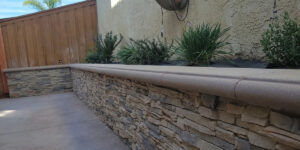
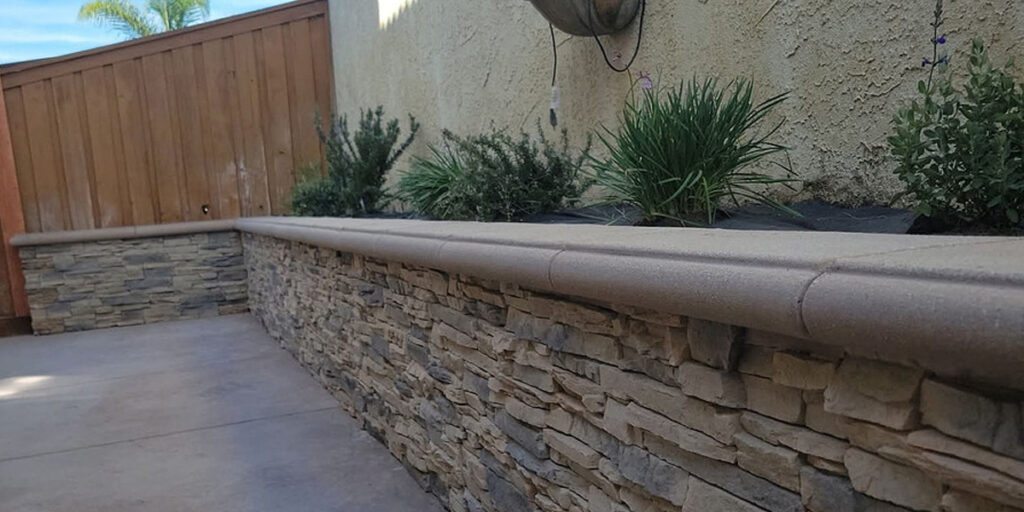
A retaining wall typically costs between $40 and $120 per square foot of wall face installed, which puts most residential projects between $3,000 and $24,000 depending on the material, the height, and the site. That range is wide because a retaining wall is an engineered structure, not a product you buy by the linear foot. The price reflects the material you choose, the drainage and reinforcement the wall needs, and how difficult the site is to build on. This guide breaks down what you can expect to pay, what moves the number, and how to tell a quote that protects your investment from one that will fail in a few years.
Retaining wall cost is usually measured per square foot of the wall face, meaning length multiplied by height. A 30-foot wall that is 4 feet tall has 120 square feet of face, which is the figure a contractor prices against.
Retaining Wall Cost by Material
The material is the biggest single driver of price. Here is what each typically costs installed, per square foot of wall face.
| Material | Installed cost (per sq ft of face) |
|---|---|
| Segmental concrete block | $40 to $70 |
| Stone veneer over block | $55 to $100 |
| Poured concrete | $50 to $90 |
| Natural stone | $60 to $120+ |
Segmental block is the most popular and cost-effective option for most residential walls. Natural stone sits at the premium end and delivers a high-end, timeless look. These figures include the wall and the base and drainage work behind it, not just the visible material.
Retaining Wall Cost by Size
Here is how those per-square-foot ranges translate into typical total projects, using common wall dimensions.
| Wall size (face area) | Typical total range |
|---|---|
| 20 ft long x 3 ft high (60 sq ft) | $3,000 to $7,000 |
| 30 ft long x 4 ft high (120 sq ft) | $6,000 to $14,000 |
| 40 ft long x 5 ft high (200 sq ft) | $11,000 to $24,000+ |
These are illustrative ranges. Your exact figure depends on your specific site, which is why a reputable contractor will assess your slope and soil before quoting rather than pricing a wall over the phone.
What Drives the Cost of a Retaining Wall
Two walls of the same length can carry very different price tags. The cost is shaped by a handful of factors.
- Material. Block is the most affordable, natural stone the most expensive, with veneer and poured concrete in between.
- Height. Taller walls cost more per square foot because they carry more load. Walls over four feet typically require engineering and a permit, which adds cost.
- Drainage and base work. The gravel backfill, drain lines, base, and footing behind the wall are essential and a real part of the cost. They are also what keep the wall standing.
- Reinforcement. Taller walls often need geogrid reinforcement tied back into the soil, which adds material and labor.
- Site access and conditions. A wall in a tight backyard with limited equipment access costs more to build than one with open access. Difficult soil or steep slopes also add to the work.
- Removal of an existing wall. Tearing out and hauling away a failed wall adds labor and disposal cost before the new wall begins.
Why a Cheap Retaining Wall Costs More Later
The biggest difference between a wall that lasts decades and one that fails in a few years is the drainage and base behind it, and that is exactly where a low bid cuts corners. A wall holds back not just soil but the water in that soil. When water has no path to escape, the pressure builds until the wall leans, bulges, cracks, or collapses.
A wall built correctly includes proper gravel backfill, weep holes or a drain line, a compacted base and footing, and reinforcement where the height requires it. On the clay-heavy soils common across Moorpark and the wider Conejo Valley, that drainage work is not optional, because clay holds water and the pressure it creates is significant. Paying a fair price for a wall that is engineered correctly is almost always cheaper than paying to rebuild one that was not. You can see how we build them on our retaining walls page.
Should You Build a Retaining Wall Yourself?
A low decorative garden wall under a couple of feet is within reach for a confident DIYer. Anything structural is a different matter. A wall that holds back a real slope has to be engineered for drainage, reinforcement, and load, and a failure can damage your landscape, your neighbor’s property, or your foundation. For walls over a few feet, or any wall protecting a structure, professional installation is the safer and often more cost-effective path once you factor in the cost of getting it wrong.
Frequently Asked Questions
How much does a retaining wall cost per foot?
Retaining walls are usually priced per square foot of wall face, typically $40 to $120 installed depending on the material. To estimate, multiply the wall’s length by its height to get the face area, then apply the per-square-foot range for your chosen material.
What is the cheapest type of retaining wall?
Segmental concrete block is generally the most cost-effective option for a structural wall, balancing durability and price. Treated wood is cheaper upfront but does not last as long, which makes block the better long-term value for most homeowners.
Does a retaining wall need a permit?
Lower decorative walls often do not require a permit, while taller walls, typically those over four feet, usually require engineering and permitting. A qualified contractor will advise you on what your specific project requires.
Why are retaining walls so expensive?
Most of the cost is in what you do not see: the base, footing, gravel backfill, drainage, and reinforcement that keep the wall standing. A retaining wall is an engineered structure holding back tons of soil and water, and building it to last requires that hidden work.
How long does a retaining wall last?
A properly built retaining wall can last decades, often 50 years or more for block and stone walls. Longevity depends far more on the drainage and base behind the wall than on the material on its face.
Final Thoughts
A retaining wall is a meaningful investment, and the right number for your project depends on details no online calculator can see, including your slope, your soil, and the drainage the wall requires. The most reliable way to budget is to have an experienced contractor assess your site and give you a clear, itemized quote. Clean Concepts Landscape & Hardscape builds retaining walls across Moorpark and the Conejo Valley and offers free on-site assessments. For design inspiration, see our guide to retaining wall ideas, or call (805) 279-7690 to get started.